Encyclopedia entry · the book of Luke
Luke is the longest of the four Gospels and the only one with a sequel — Acts continues the story from the ascension forward. Luke was a Gentile physician, the only non-Jewish author in the New Testament, and a careful historian. His preface promises an orderly account drawn from eyewitnesses, and his book delivers: Luke alone records the angels' visit to Mary, the magnificat, the shepherds at the manger, the boy Jesus in the temple, the prodigal son, the good Samaritan, the road to Emmaus.
Luke has a special eye for outsiders — Samaritans, women, the poor, sinners, tax collectors. He is the Gospel of the great reversal. Mary's song at the beginning sets the key: He hath put down the mighty from their seats, and exalted them of low degree.
Movements
4 arcs through the bookMovement 01
1–4
chapters
Births and Beginnings
Luke opens with two parallel announcements. Gabriel visits an old priest in the temple to announce John the Baptist's birth, then visits a young woman in Nazareth to announce a more impossible birth. Mary's song — the magnificat — sets the key for the entire Gospel: God scatters the proud, lifts up the lowly. The nativity is told from Mary's angle, the shepherds get the announcement, and Luke alone records the twelve-year-old Jesus in the temple. By chapter four, he is preaching in Nazareth — the Spirit of the Lord is upon me.
Key passages
Movement 02
5–9
chapters
Galilean Ministry
Luke's middle chapters cover Jesus' Galilean ministry — calling disciples, including a tax collector named Levi (Matthew); preaching the Sermon on the Plain, Luke's flatter, sharper counterpart to Matthew's Sermon on the Mount; calming the storm; raising the widow's son at Nain; feeding the five thousand. Peter confesses Jesus as the Christ. The transfiguration confirms it. At the end of chapter nine, he stedfastly set his face to go to Jerusalem — and the long travel narrative begins.
Movement 03
10–19
chapters
On the Road
Ten chapters of Luke take place on the road to Jerusalem, and they hold the Gospel's richest material. Jesus sends out the seventy. He tells the parable of the Good Samaritan, the friend at midnight, the rich fool, the lost sheep, the lost coin, the prodigal son. He heals ten lepers and only one — a Samaritan — comes back to thank him. He dines with Zacchaeus, that publican. Luke's road is paved with the kinds of people other Gospels barely notice, and the kingdom Jesus describes belongs to them.
Movement 04
20–24
chapters
Passion, Resurrection, Emmaus
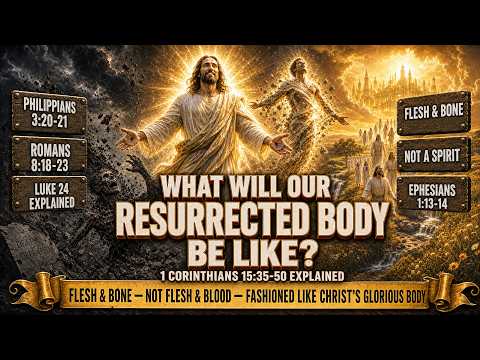
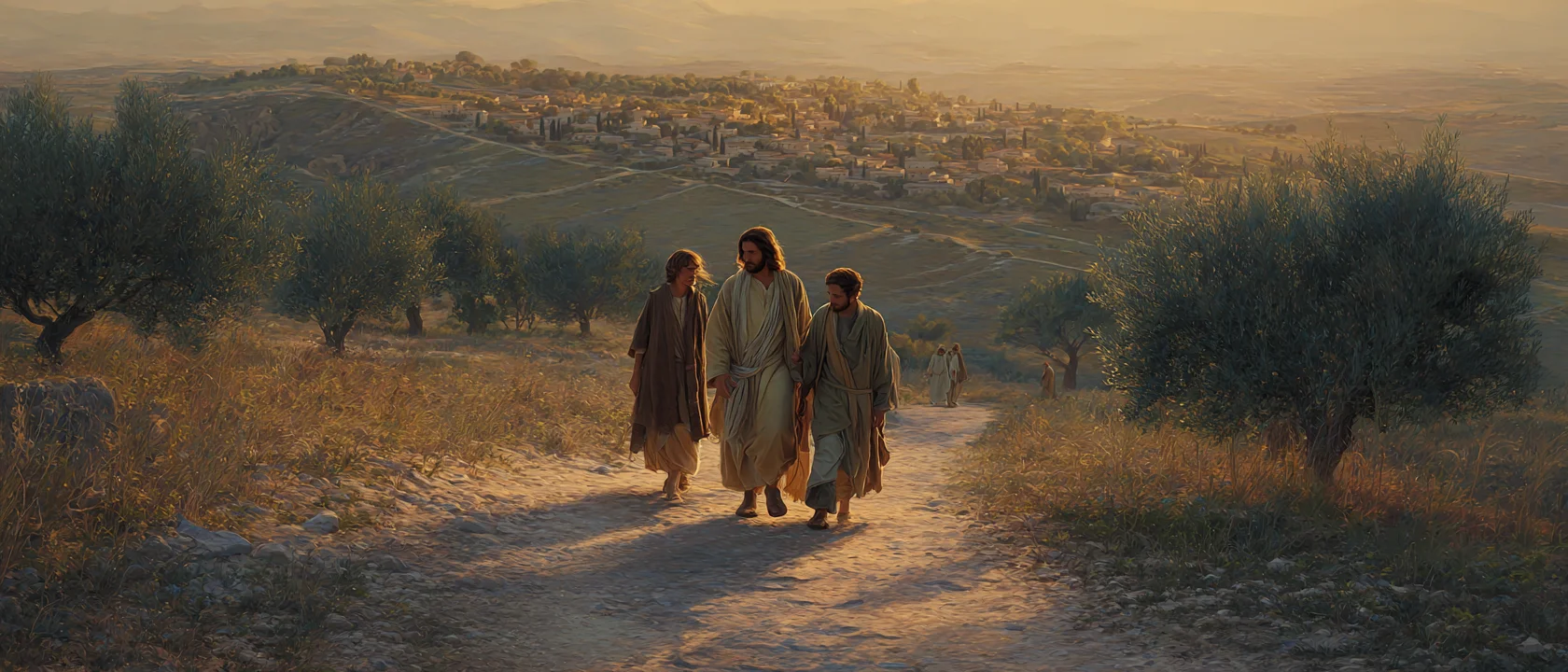
The final five chapters cover the last week. Jesus enters Jerusalem on a donkey, debates in the temple, gives his version of the Olivet discourse. The Last Supper — Luke records this cup is the new covenant in my blood. Gethsemane: angels strengthen him. The trial, the cross — only Luke records Father, forgive them, for they know not what they do and today shalt thou be with me in paradise. The resurrection. The road to Emmaus, where the risen Christ opens the Scriptures to two disciples and is recognized in the breaking of the bread. Then the ascension.
Key passages