Real VoicesReal Voices

The Prisoner Freed in Jesus' Place May Have Shared His Name

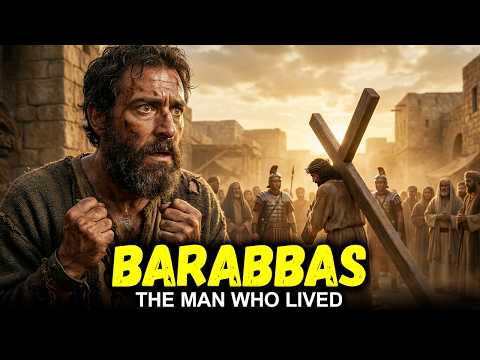
When Pilate offered the crowd a choice, he set Jesus beside a prisoner named Barabbas. What many readers never learn is that in some of the oldest manuscripts of Matthew, that prisoner is given a first name too: Jesus Barabbas. This video examines the textual evidence, what the name means, and the striking symbolism of the exchange. 📖 In this video, you will uncover: ✅ Who Barabbas actually was: robber, rebel, or insurrectionist (John 18:40; Mark 15:7) ✅ The manuscript variant "Jesus Barabbas", and why Origen already knew of it ✅ What "Bar-abba" means, son of the father, and the limits of that wordplay ✅ Why most later manuscripts drop the name, and how scholars weigh it ✅ The parallel with the two goats of Yom Kippur (Leviticus 16) ✅ The symbolism: the guilty man walks free because the innocent takes his place 📜 A NOTE ON THE EVIDENCE The reading "Jesus Barabbas" is genuine and is discussed openly in modern critical editions; it is not a hidden or suppressed text, simply a variant that most manuscripts omit. "Bar-abba" means "son of the father"; it does not mean "Son of God", and the video treats the parallel as symbolism, not as a claim that the two men shared a divine title. The link to Yom Kippur is a theological reading, not a statement of the Gospel text. 📖 ABOUT THIS DOCUMENTARY Every episode on this channel is grounded in the biblical text and in historical scholarship. The research, the structure and the editorial line are human; AI assists only with narration and visuals. 📚 Sources: Matthew 27, Mark 15, Luke 23, John 18; Origen's commentary; Leviticus 16. If you were in Barabbas' place, what would you do with that freedom? Leave a comment, and subscribe to keep going deeper into the text. #Barabbas #YomKippur #TextualCriticism #Gospels #BibleStudy

Scripture

JohnJohn 18John 18:40MarkMark 15Mark 15:7LeviticusLeviticus 16MatthewMatthew 27LukeLuke 23