Nine Lepers Were Healed. Only One Was Saved.
The Christian Channel
bible study
June 6, 2026
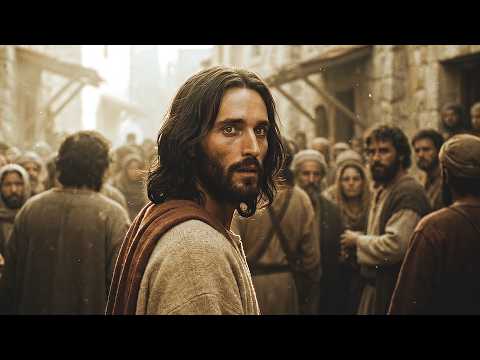
Ten men stood at the border of Galilee and Samaria. Ten cried for mercy. Ten obeyed the command to walk toward the priest. Ten were cleansed on the road. But only one received a verb the other nine never heard, and the difference is hidden in two Greek words that most translations soften into the same English meaning.
This investigation walks back into Luke chapter seventeen with the precision of the evangelist himself, a physician, the only writer in the New Testament described by Paul as a doctor by profession, and the only one who tells this story. The four Greek verbs Luke uses for healing across his Gospel (καθαρίζω, ἰάομαι, θεραπεύω, σῴζω) are not interchangeable. They form a vocabulary of medical and theological exactness, and the choice between the first and the fourth, in verses fourteen and nineteen, reorganises everything the pulpit usually says about the ten lepers.
The investigation examines the legal protocol of Leviticus thirteen and fourteen, the priestly mechanism of restitution, and the reason the Samaritan, the heretic of the group, was the only one who could not obey the command in the way the others did. The clue had been hidden in plain sight for two thousand years, in two Greek words placed five verses apart, separated by a single turning on a road.
This is not a story about gratitude. The text resists that reading. The text was written by a physician.
Learn to read it yourself: The Word Beneath the Words. thechristianchannel.gumroad.com/l/duxljs
SOURCES & REFERENCES
Bible: King James Version, 1611. Scripture cross-references: Gospel of Luke (chapters 1, 4, 7, 17, 24); Leviticus (chapters 13, 14); Gospel of Matthew (chapter 1); Acts (chapter 16); Epistle to the Ephesians (chapter 2). Greek and Hebrew terms examined throughout the video, with reference to the Septuagint (LXX) and the Masoretic Text, including καθαρίζω, ἰάομαι, θεραπεύω, σῴζω, πόρρωθεν, δοξάζω, ἀνάστηθι, and the Hebrew טָהֵר. Patristic readings: in the tradition of John Chrysostom's homilies on Luke and Cyril of Alexandria's commentary on the Third Gospel. Modern scholarship: in the tradition of Joel B. Green's work on the Gospel of Luke, Darrell L. Bock's exegetical commentary on Luke, I. Howard Marshall's textual analysis of Lucan vocabulary, and Joseph A. Fitzmyer's two-volume Anchor Bible commentary on Luke. The full research dossier, with all references, Greek and Hebrew glossary, and extended reading notes, is available to supporters on Patreon (link in the channel page).
About This Channel
The Christian Channel is dedicated to the forensic reading of the biblical text, with attention to the Greek and Hebrew original, the historical context of the Scriptures, and the typological structure of redemption. The investigations on this channel treat the evangelists and prophets as witnesses, the textual details as evidence, and the early Christian tradition as the second testimony. All content is researched and produced by an independent editorial team and reflects original investigative work into the canonical text.
© 2026 Magajoda Studio. All rights reserved.
Topics
ten leperssamaritanbible studychristian historylepers