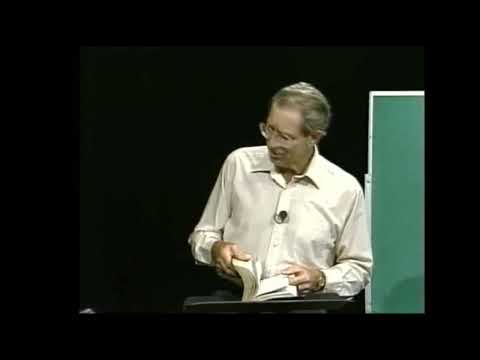
829 - Les Feldick Bible Study - Lesson 1 Part 1 Book 70 - Lo-ammi, Not My People - Part 1

Les Feldick Bible Study
bible study
April 8, 2017
https://lesfeldickbiblestudy.com
Through the Bible with Les Feldick
LESSON 1 * PART 1 * BOOK 70
LO-AMMI - NOT MY PEOPLE – PART 1
Hosea 1:1–2:18
Okay, it’s good to see everybody in this afternoon. We’ve got folks all the way from California to Timbuktu here today. I won’t have time to point everybody out, but we’re just so thankful that you’ve all found your way in this afternoon. We always appreciate the fact that you fill up the studio for us.
For those of you out in television, we just like to invite you to sit down with your Bible and a notepad and study with us, compare Scripture with Scripture. We’re finding according to our mail that that’s what a lot of folks are doing and learning to enjoy their Bible! Don’t go by what Les Feldick says. Go by what the Book says.
Get a good study Bible if you don’t already have one that will give you some helps and footnotes or references and so forth. If you learn how to study, you can spend a whole evening, and it just goes like a snap of the finger. We’re finding that at lot of, especially older men, I’ve said this before that we’re so thrilled that so much of our audience is the older men that never had an interest before. They are just being thrilled with what they have missed for so long.
Well, we’re going to respond to some of the requests of our audience. Over and over the question was asked, “Why did you skip the Minor Prophets?” Well, at the time we were going through the Old Testament hitting the highlights, so far as dispensationalism was concerned. I was kind of in a hurry, I guess, to get into the New Testament. So, I just skipped over the twelve Minor Prophets. So, we’re going to start a look at them. Now don’t get all worried that I’ll be in the Old Testament for months on end. We’re not going to overdo it, hopefully. But they’re not “minor” because they’re unimportant. They’re minor only because of their length. They’re only a chapter or two. Hosea, I think, is something like 12. But all twelve of these little Minor Prophets are loaded with prophetic utterances.
Now, it’s kind of interesting to note as introduction how they are arranged. They are not necessarily in chronological order. Jonah was written the furthest back, and it’s about the third or fourth up in the list, I guess. But Jonah was written first of these twelve Minor Prophets, about 800 BC.
Now, I know everybody isn’t as hung up on history as I am, but I still maintain if you’re really going to enjoy this Book, you have to get a historical perspective on the whole thing. That’s why I’m going to be having the timeline on the board in a little bit. That will hopefully help you see it a little easier. But anyway, of these twelve Minor Prophets, nine of them were written before Israel was taken captive into Syria and Babylon. That means that three of them were left to be written after the Jews returned from their captivity. Fortunately, they put them in the right chronological order. Those little three books are: Haggai and Zechariah and Malachi. Now, they are all written after they’ve come back from Babylon, and they end at 400 BC.
If you know anything about the Old Testament chronology between Malachi and Matthew, or the appearance of the angel to announce the birth of Christ, how long is it? Four hundred years. We call them the four hundred years of silence, because not a prophet appeared in Israel. There was not a single miraculous sign from God.
Now, I’m always making the point that the supernatural was almost ordinary in the life of Israel. Starting with the appearance of God to the man Abram and coming on up through the birth and everything of the twelve sons, God was constantly intervening. Then, of course, the most glorious and miraculous event of all the Old Testament was the opening of the Red Sea, and then the appearance of the “cloud” and the “pillar of fire.”
Now, when you stop and think about that, how would you like to have been living at a time when you could stand on the banks of this Red Sea, which in all practical purposes is an ocean, and see it suddenly open up, and it’s dry ground?! They were human! They were just as normal as we are. Now, wouldn’t you think that that would make such an impact on those people that they would never forget it? But they did.
Now, you see, the Apostle Paul’s a little different. He never got over his early life. All the way through his ministry, it plagued him how he had persecuted those early Jewish believers. He never got over it. I think that’s one reason God chose him to be the Apostle to the Gentiles, because he had so much horrible past to live down that he never slowed down. For twenty-five years the man under abject, adverse circumstances kept plodding on.
#LesFeldick
#BibleStudy
#Bible
Scripture
HoseaHosea 1Hosea 1:1Hosea 1:1-2
Topics
les feldickbible studythrough the bible with les feldicklesson 1 part 1 book 70les feldick book 70book 70les feldick 2017lo-amminot my people - part 1les feldick bible study