928 - Les Feldick Bible Study - Lesson 1 Part 4 Book 78 - Christ as the Rock of scripture - Part 4

Les Feldick Bible Study
bible study
July 16, 2017
Through the Bible with Les Feldick
LESSON 1 * PART 4 * BOOK 78
Christ as the Rock of Scripture – Part 4
Various Scriptures
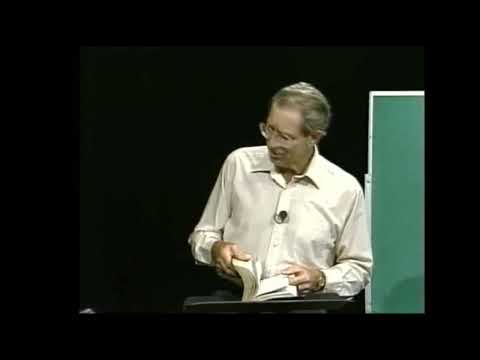
It’s good to see you all back here again in program number 4 this afternoon. Then that will be the first four programs of Book 78. For those of you joining us on television, in case you’ve never caught us before. I know a lot of people that write and say, “Well, I saw just a little flick of you and I thought who could get interested in something like that?” And they go on. But sooner or later they listen long enough to get hooked and they become avid listeners. So, if you’re one of those that just happened to catch it, and you wonder what it is, we’re just a simple Bible study. But the Lord has permitted us to make it interesting enough to build a pretty good-sized audience. So bear with us, because we do think that the Word of God is exciting; and it’s definitely the spiritual food, the manna, that mankind needs.
All right, we’re on a whole new concept this afternoon of the Rock and the Stone of Scripture, which is always a picture of Jesus Christ. In this fourth program, we’re going to look at Christ as the foundation stone. It’s a well-known passage of Scripture that we’ll start with—Matthew chapter 7 and we’re going to look at verses 24 and 25. Then we’ll go from there. This is Jesus speaking during His earthly ministry.
Matthew 7:24-25
“Therefore whosoever heareth these sayings of mine, and doeth them, I will liken him unto a wise man, who built his house upon a rock: (Here comes the basic part of a foundation.) 25. And the rain descended, and the floods came, and the winds blew, and beat upon that house; and it fell not: for it was founded upon a rock.” (Or something stable.)
Matthew 7:26-27
“And every one that heareth these sayings of mine, and doeth them not, (Or they reject it in unbelief.) shall be likened unto a foolish man, who built his house upon the sand: 27. And the rain descended, and the floods came, and the winds blew, and beat upon that house; and it fell: and great was the fall of it.”
Now, of course, that is where most of Israel fell short. I trust you all realize by now that even all the way up through Israel’s history as the chosen people, the favored nation, yet the vast majority of them never entered into a saving belief. In fact, I have to do this all the time. I mentioned in the last program that when I was in Charlotte I hit people with it all day long—listen, don’t get discouraged if we feel that we are such a small minority. It has always been this way. The vast majority of the human race does not want to believe what God says.
Go back with me to Isaiah chapter 1. Keep your hand in Matthew, we’ll be coming right back. But Isaiah chapter 1 and verse 9 just says it all. And this wasn’t a unique period of Israel’s history. It was very commonplace. All through Israel’s history that was the lament—why, why can’t you believe? You remember at Kadesh-Barnea when God said to go in and take it; it’s yours. Did they? No. Why? Unbelief. It has always plagued them, but not just Israel. We don’t point the finger at just the Jew. It’s the whole human race. But look what Isaiah said.
Isaiah 1:9a
“Except (or unless) the LORD of hosts had left unto us a very small remnant,…” Now you can put whatever percentage you want on a small remnant, but it can’t be over 5%. Otherwise, it wouldn’t be a very small remnant. So out of the millions of Israel, there were just a few percentages that were true believers. If God had not kept those, then Israel would have been like Sodom. They’d have been like unto Gomorrah. God would have had to destroy them. But because of that little remnant, you see, He kept dealing with the Nation of Israel.
All right, now flip back up to Matthew. Since you’re in chapter 7—I didn’t intend to do this either, but here they are—the words that say the same thing in chapter 7. Go back to verses 13 and 14. You know these verses. And it means exactly what it says—verse 13. Jesus is speaking.
Matthew 7:13a
“Enter ye in at the strait gate: for wide is the gate, and broad is the way, that leadeth to (What?) destruction,…” Not salvation, but just the opposite. That’s where most of even the Jews were going. Oh, they were religious. They wouldn’t miss temple worship for anything. They wouldn’t miss a feast day. But saving faith? No, they didn’t have it.
Matthew 7:13b-14
“…and many there be which go in thereat: (To destruction. Now the next verse is the flip side of the coin.) 14. Because strait is the gate, and narrow is the way, which leadeth unto life, (That is eternal life.) and (How many?) few there be that find it.” And it’s never been any different.
#LesFeldick
#BibleStudy
#Bible
Scripture
MatthewMatthew 7Matthew 7:24Matthew 7:24-25Matthew 7:26Matthew 7:26-27IsaiahIsaiah 1Isaiah 1:9Matthew 7:13
Topics
partles feldickbible studythe bible (religious text)holy spirit (deity)jesus christ (deity)god (deity)ssabsamohtthrough the bible with les feldickbible study lessons