
What Makes a Good Christian Leader? | 1 Peter 5:1-2
Vince Miller
teaching
September 13, 2026
Our text today is 1 Peter 5:1-2:
So I exhort the elders among you, as a fellow elder and a witness of the sufferings of Christ, as well as a partaker in the glory that is going to be revealed: shepherd the flock of God that is among you, exercising oversight, not under compulsion, but willingly, as God would have you; not for shameful gain, but eagerly; — 1 Peter 5:1-2
Leadership becomes dangerous the moment we forget whom the people belong to.
For four chapters, Peter has been teaching us how believers stand firm under pressure. Now, as we enter the final chapter of this letter together, he turns toward the elders who care for God’s people. A suffering church needed leaders who would protect, nourish, and strengthen them—not leaders who would use them.
Peter could have introduced himself with an impressive list of credentials. Remember, he was an apostle, a member of Jesus’ inner circle, a witness of the transfiguration, and the preacher at Pentecost.
Instead, Peter calls himself “a fellow elder.”
He does not speak as a celebrity standing above them. He speaks as a shepherd standing with them. Peter has early-church authority, but grace has changed how he holds it.
Then he gives the elders their assignment:
“Shepherd the flock of God that is among you.”
Four words are operative here:
The flock of God.
The people did not belong to Peter. They did not belong to the local elders. They did not belong to anyone but God.
Leaders may be entrusted with people, but they never own them. The moment a leader begins thinking in terms of my church, my ministry, my audience, or my people, leadership can quietly shift from stewardship to possession.
Peter learned this lesson.
Remember, the risen Christ met him beside the Sea of Galilee. And when he reinstated him, Jesus said:
“Tend my sheep.” — John 21:16
The shepherding language used here to the elders is the same language. And the pronoun remained important: these were God's sheep, not Peter’s sheep. He learned that lesson and now passes that theology and responsibility to other leaders.
But he does not address only their work. He addresses their motives.
They must shepherd “not under compulsion, but willingly.”
I think leadership can begin as a calling and slowly become an obligation. Ministry can become a schedule to survive. People can begin feeling like interruptions, problems, or burdens rather than souls entrusted to our care.
Peter is not shaming exhausted leaders. Shepherds need rest, encouragement, and care too. But he is confronting the resentment that can grow when we serve merely because we feel trapped by expectations.
God’s people need more than the physical presence of a reluctant leader. They need the willing care of a shepherd.
Peter also says leaders must serve “not for shameful gain, but eagerly.” That gain may involve money, but it can also take subtler forms: recognition, influence, loyalty, control, applause, or personal significance.
Christian leadership is distorted when people are treated as fuel for a leader’s ambition. A shepherd does not use the flock to feed himself. He feeds the flock.
Although Peter is speaking first to church elders, the principle reaches every one of us who has been entrusted with influence. You may lead a family, a small group, a ministry, a business, a team, or one younger believer. Somewhere, someone is watching how you carry responsibility.
Here is a question for us today:
Do the people I lead feel cared for or managed?
A good Christian leader remembers that people belong to God. He serves willingly because he loves Christ. He leads eagerly because caring for others is a sacred trust, not a means of personal gain.
As we begin this final chapter of the letter, Peter starts with a key audience: Shepherds.
Standing firm has never been an isolated journey. God often strengthens His people through faithful leaders who feed, guide, protect, and care for them.
Tomorrow, Peter will take us one step further. He will show us that a shepherd’s authority is not established through control. It is established through an example, a model.
But today, let’s remember where your leadership begins: they're the flock in your care. So do you care?
Sign up by email 📧 for THE DAILY + WEEKLY + BRIEFS 👉🏼 https://beresolute.org/mdd
Read more about PROJECT23 👉🏼 https://beresolute.org/project23/
Join this channel to get access to unreleased and prereleased video content:
https://www.youtube.com/channel/UCMTXiJbuAVrF2hTJgnYK5qw/join
Or check out all Vince Miller's videos and audios for small groups at https://beresolute.org/
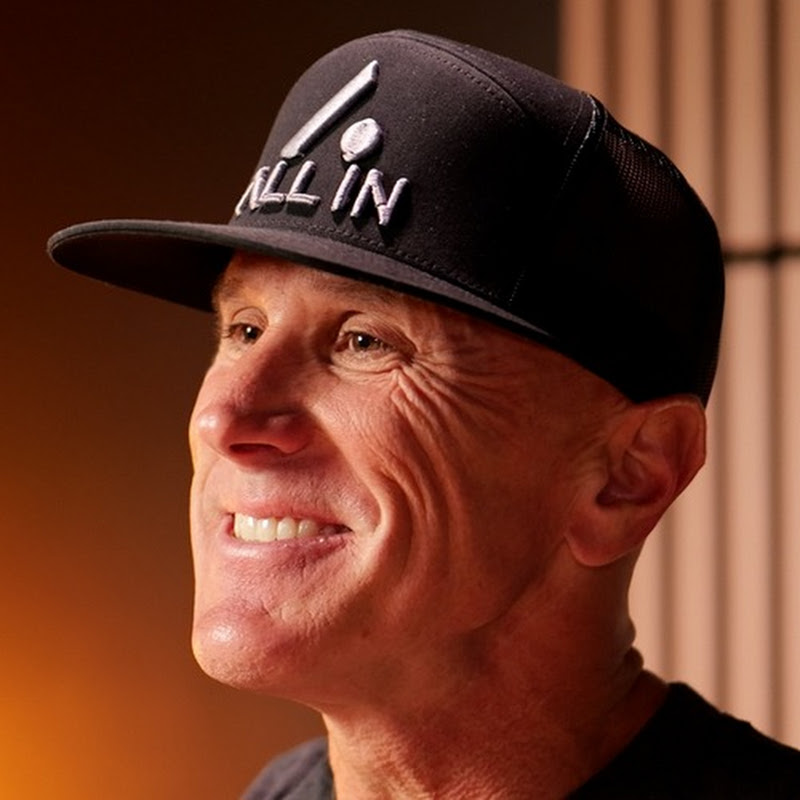
Check out more ALL IN products like the one Vince is wearing at:
https://beresolute.org/product-category/all-in-hats/
Connect with Vince socially:
FACEBOOK: https://www.facebook.com/millervince
INSTAGRAM: https://www.instagram.com/vinceleemiller
LINKEDIN: https://www.linkedin.com/in/vincemiller
TWITTER: https://twitter.com/vinceleemiller
Scripture
1 Peter1 Peter 51 Peter 5:11 Peter 5:1-2IsaiahIsaiah 1JohnJohn 21John 21:16
Topics
mensmenstudyvince millerfree daily devotionaldaily devobest mens ministrymens speakermens pastorsmens ministry


