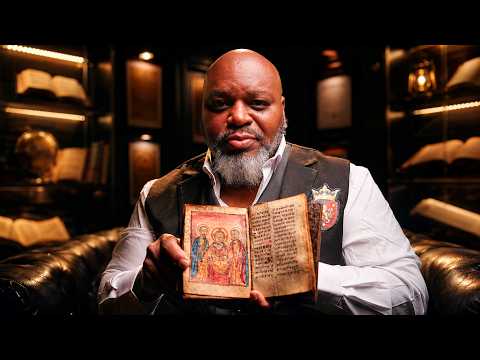
This 444-Year-Old Bible Has a Unique Take on the Lord's Prayer

gclmedia
teaching
September 6, 2026
The Lord's Prayer looks different in this 444-year-old Bible. See why the original text omitted the phrase daily bread.Millions of people recite the Lord's Prayer by memory, yet few realize the translation history behind Matthew 6:11. By comparing a 1582 Douay-Rheims Bible with a 1685 King James Bible, we can see how translators grappled with the mysterious Greek word epiousios. This investigation explores why early church figures like Origen and Jerome struggled to define this term, leading to distinct traditions in English scripture.We examine how the Wycliffe Bible and later versions handled this unique verse. Understanding these differences reveals that this variation is not a mistake, but a reflection of the challenges inherent in translation. You will gain a clearer perspective on how the Bible has been preserved and interpreted throughout history.Subscribe for weekly historical text breakdowns, and comment below with your thoughts on how different translations impact your reading of scripture.
GO DEEPER:For the fuller manuscript history behind moments like this one, join the Scriptorium inside The Portal at GCLMedia.org.
BOOKS BY DR. G.C. LEWIS:Elucidations (with study companions, available in the Scriptorium)
God's Garden
The Name Above All Names
Canon & Tongue
Available at GCLMedia.org and on Amazon https://amzn.to/35K5ogI
Scripture
MatthewMatthew 6Matthew 6:11
Topics
lord's prayerdaily breadmatthew 6:11douay rheims bible1582 bibleking james bibleepiousiossupersubstantial breadbible translationjerome