Ethiopian Manuscripts Don’t Say “Yahweh” | Here’s the Real Word

gclmedia
teaching
May 26, 2026
The ancient Ethiopian manuscripts do NOT say “Yahweh.”
And once you see the actual word written in the Ge’ez text, the entire conversation around the divine name starts to look very different.
Following the explosive response to Part 1 of this investigation, we went directly back into the ancient Ethiopian manuscripts themselves to examine what the scribes actually wrote in Exodus 3 and Exodus 6:3. Not internet claims. Not modern assumptions. Actual manuscript evidence.
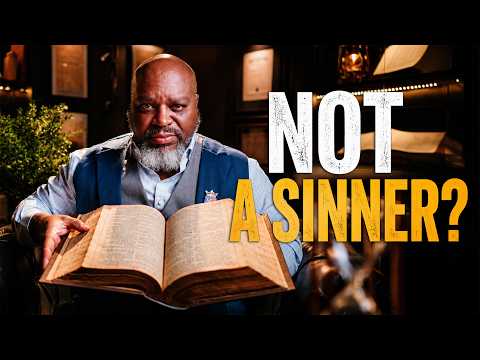
In this video, Biblical Expositor and Author G.C. Lewis, Sr. places the Ge’ez Torah under a textual microscope to analyze the exact wording used in the burning bush narrative and the revelation of the divine identity to Moses. By tracing terms like Egziabeher, Egzi, and Za-halo wa-yəhēllu directly from the manuscript tradition, we uncover a translation philosophy rooted in authority, sovereignty, and function rather than modern Western phonetic obsession.
The ancient Ethiopian scribes possessed the linguistic ability to imitate Hebrew consonants. Yet instead of centering transliterated pronunciation, they consistently emphasized the nature, role, and revealed authority of the Creator. That distinction changes how many people understand Exodus 6:3 entirely.
If you want to move beyond internet arguments and actually examine the manuscript evidence for yourself, this investigation is for you.
Watch Part 1 First:
https://youtu.be/OE4_kqhm5iA
Resources Mentioned in This Video:
• Cambridge University Digital Library scans of the Ge'ez Old Testament:
https://cudl.lib.cam.ac.uk/view/MS-ADD-01570/75
• The Name Above All Names:
https://amzn.to/3KUxnBp
• The Beginner’s Blueprint to Reading Ge’ez Manuscripts:
Available inside The Portal at GCLMedia.org
Question:
After seeing the manuscript evidence directly, do you think modern discussions about the divine name focus too heavily on pronunciation? Let me know in the comments.
📜 ABOUT G.C. LEWIS
G.C. Lewis, Sr. is a Biblical Expositor and Author specializing in manuscript analysis, ancient linguistic traditions, and textual transmission history. With over twenty years studying biblical texts and ancient language structures, his work focuses on helping serious Bible readers examine the historical and linguistic foundations behind modern assumptions about Scripture.
🌐 GO DEEPER
Join The Portal:
https://gclmedia.org
Read The Name Above All Names:
https://amzn.to/3KUxnBp
Subscribe for weekly investigations into ancient manuscripts, biblical history, and linguistic evidence.
Chapters
0:00 - The Ancient Ethiopian Text Does NOT Say “Yahweh”
0:41 - Why the Internet Exploded Over Part 1
1:26 - Introduction: G.C. Lewis, Sr.
2:07 - Opening the Ge’ez Manuscript
3:24 - Exodus 3 and the Burning Bush Narrative
4:39 - What the Scribes Actually Wrote
6:05 - Egziabeher and Divine Authority
7:36 - Why This Challenges Modern Assumptions
8:28 - Exodus 6:3 Under the Microscope
10:02 - Why the Scribes Avoided Phonetic Emphasis
11:47 - The Real Translation Philosophy Behind the Text
13:04 - The Beginner’s Blueprint to Reading Ge’ez Manuscripts
14:42 - Final Manuscript Evidence and Closing Thoughts
Scripture
ExodusExodus 3Exodus 6Exodus 6:3
Topics
ethiopian biblege'ez manuscriptyahwehdivine nameancient bible manuscriptsbiblical linguisticsworld english bibleegziabeherseptuagintancient christian history