Encyclopedia entry · the book of Philippians
Philippians is the warmest letter in the New Testament. Paul writes from a Roman prison cell, around AD 62, to the church he planted at Philippi a decade earlier — the first Christian community in Europe. The Philippians had supported him financially and prayerfully for years, and the letter overflows with thanks. It is also a letter about joy — the word appears sixteen times in four chapters — and about how to find it in chains.
The Christ hymn of chapter two — who, being in very nature God, did not consider equality with God something to be grasped — sits at the heart of the letter and may be the earliest piece of Christian poetry preserved in scripture. Paul holds it up as both theology and example: let this mind be in you which was also in Christ Jesus.
Movements
4 arcs through the bookMovement 01
1
chapters
Joy in Chains
Paul opens not with complaints about his imprisonment but with thanksgiving for the Philippians and confidence that the gospel is advancing because of his chains. What hath happened unto me hath fallen out rather unto the furtherance of the gospel. The whole praetorian guard now knows about Christ. Other believers, emboldened by Paul's example, are preaching with new boldness. The chapter ends with his calm willingness to live or die — for me to live is Christ, and to die is gain.
Key passages
Movement 02
2
chapters
The Mind of Christ
Chapter two contains what may be the earliest Christian hymn — six verses Paul drops into the middle of a pastoral appeal as if reaching for a song everyone already knew. He humbled himself, and became obedient unto death, even the death of the cross. Wherefore God also hath highly exalted him. Paul holds it up not just as theology but as model: this is the mind to have in a church. The mindset of Christ is the mindset of a servant. The chapter closes with two living examples — Timothy and Epaphroditus — of that same spirit.
Key passages
Movement 03
3
chapters
Pressing On
Paul recounts his own credentials — circumcised the eighth day, of the tribe of Benjamin, a Pharisee, blameless under the law — and then counts every one of them as loss compared to knowing Christ. The whole chapter is a long footnote on what it means to follow him: forgetting what lies behind, straining toward what lies ahead, pressing toward the mark for the prize of the high calling of God in Christ Jesus. Our citizenship, Paul reminds them, is in heaven.
Key passages
Movement 04
4
chapters
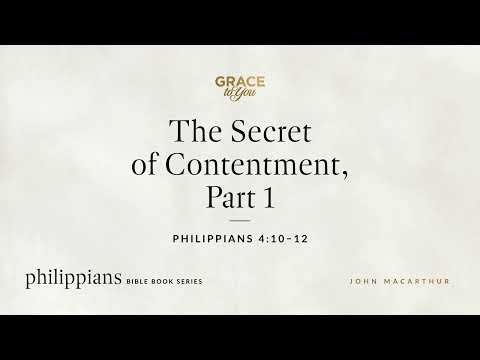
Peace and Contentment
The closing chapter is the letter's most-quoted. Rejoice in the Lord always. Be anxious for nothing. The peace of God, which passeth all understanding, shall keep your hearts. Whatsoever things are true... I have learned, in whatsoever state I am, therewith to be content. I can do all things through Christ which strengtheneth me. And finally a tender thank-you for the Philippians' gift — my God shall supply all your need according to his riches in glory. The warmest letter ends warm.
Key passages