Encyclopedia entry · Person
Hannah
Curator's research file
Subject · person
Hannah
Identity
- Name meaning
- Grace; favor; the gracious one
Family
- Parent(s)
- —
- Spouse
- —
- Children
- —
- Tribe / people
- —
Era & origin
- Era
- c. 1141 BC
- Region
- —
- Contemporary of
- —
Role
- Role
- Wife of Elkanah; mother of the prophet Samuel
- Notable for
- Hannah was the mother of Samuel, Israel's great prophet and judge.
Scripture
- First mention
- 1 Samuel 1:12-17
- Most cited
- 1 Samuel 1
Network
- Referenced by
- 6 entries
- Voices
- —
Prayer and Answered Faith
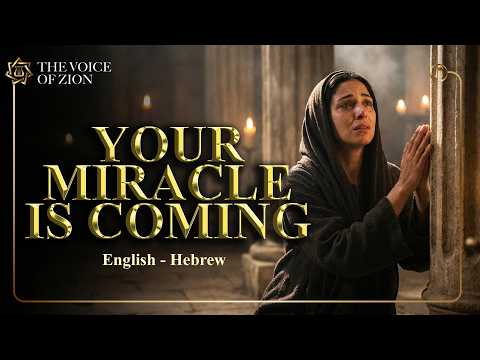
Hannah was one of two wives of Elkanah the Levite. While her husband's other wife, Peninnah, had children and taunted her for her barrenness, Hannah remained childless and deeply grieved. During an annual pilgrimage to Shiloh where the tabernacle stood, Hannah poured out her heart before God in silent, inaudible prayer (1 Samuel 1:12-15). Eli the high priest initially misunderstood her emotional petition and rebuked her, thinking she was drunk. But when Hannah explained her sincere prayer for a child, Eli blessed her, saying "Go in peace: and the God of Israel grant thee thy petition" (1 Samuel 1:17). Before their next visit, Samuel was born—his name meaning "heard of God," a testament to God's answer to her prayers.
Dedication and the Song of Hannah
Rather than keep her precious son, Hannah fulfilled her vow to dedicate Samuel to God's service. When he was weaned (possibly around age three), she brought him to Eli at Shiloh, saying "For this child I prayed; and the Lord hath given me my petition which I asked of him: therefore I also have granted him to the Lord" (1 Samuel 1:27-28). Her gratitude overflowed in a remarkable prophetic song (1 Samuel 2:1-10) celebrating God's strength, holiness, and reversal of human fortunes. This hymn notably contains the first biblical use of the title *"Messiah"* (1 Samuel 2:10), anticipating Christ centuries before his birth. The song's theology and structure closely resemble Mary's Magnificat (Luke 1:46-55).
A Mother's Faithful Love
Though Hannah parted with Samuel, her love never ceased. Each year when her family journeyed to Shiloh for worship, she brought Samuel "a little coat"—a priestly garment—for his temple service (1 Samuel 2:19). As Samuel grew and became a mighty prophet, Hannah's legacy lived through him. God blessed her faithfulness with three more sons and two daughters (1 Samuel 2:21). Hannah's willingness to surrender her most precious possession demonstrated profound faith and exemplified the spiritual mothers whose sacrifices shaped Israel's spiritual history.
Key passages
See also
Source · AI-drafted from public-domain sources (Smith's 1884, Easton's 1897), synthesized + modernized; auto-verified for fidelity. Final gospel.bot review recommended.